
Reasons for AC Freezing: Why Your Air Conditioner Freezes Up
- Casey - Airist

- May 16
- 4 min read

When your air conditioner suddenly freezes up, it can be frustrating and confusing. You expect cool air, but instead, you get ice covering your unit. This problem is more common than you might think, and understanding why it happens can help you prevent it or fix it quickly. In this post, I will walk you through the main reasons for AC freezing and what you can do about it.
Common Reasons for AC Freezing
Air conditioners freeze up for several reasons, and most of them relate to airflow or refrigerant issues. When your AC freezes, it means the temperature inside the unit has dropped below freezing, causing moisture to turn into ice. Here are some of the most frequent causes:
Dirty Air Filters: When filters are clogged with dust and debris, airflow is restricted. This causes the evaporator coil to get too cold and freeze the moisture on it.
Low Refrigerant Levels: Refrigerant is the fluid that absorbs heat from your home. If there is a leak or the level is low, the pressure drops, and the coil temperature falls below freezing.
Blocked or Closed Vents: If vents are blocked by furniture or closed off, the airflow is reduced, leading to freezing.
Faulty Blower Fan: The blower fan moves air over the evaporator coil. If it’s not working properly, the coil can freeze.
Thermostat Issues: A malfunctioning thermostat might cause the AC to run too long or too cold, leading to ice buildup.
Outdoor Temperature: Running your AC when it’s too cool outside can cause freezing, especially in the early spring or late fall.
Understanding these reasons helps you spot the problem early and avoid costly repairs.

Detailed Reasons for AC Freezing
Let’s dive deeper into the reasons for AC freezing to give you a clearer picture of what might be happening inside your system.
Dirty Air Filters and Restricted Airflow
Air filters trap dust, pollen, and other particles to keep your indoor air clean. Over time, these filters get clogged. When airflow is restricted, the evaporator coil doesn’t get enough warm air passing over it. This causes the coil to become too cold and ice to form.
Actionable tip: Check your air filters every month during heavy use and replace them at least every 3 months. This simple step can prevent many freezing problems.
Low Refrigerant Levels
Refrigerant is essential for heat exchange. If your system has a leak or was not charged properly, the refrigerant level drops. This causes the pressure in the system to fall, which lowers the temperature of the evaporator coil below freezing. Ice then forms on the coil and can spread to other parts of the unit.
Actionable tip: If you suspect low refrigerant, call a professional to check for leaks and recharge the system. Handling refrigerant requires special tools and certification.
Blocked or Closed Vents
Blocked vents reduce the amount of air flowing through your home and over the evaporator coil. This can cause the coil to freeze. Make sure all vents are open and clear of furniture, curtains, or other obstructions.
Actionable tip: Walk through your home and check that all supply and return vents are open and unobstructed.
Faulty Blower Fan
The blower fan pushes air over the evaporator coil and into your home. If the fan is not working correctly, the coil can get too cold and freeze. This might be due to a broken motor, loose belt, or electrical issues.
Actionable tip: If you hear strange noises or notice weak airflow, have a technician inspect the blower fan.
Thermostat Problems
Sometimes the thermostat settings or malfunctions cause the AC to run longer than necessary or at too low a temperature. This can cause the coil to freeze.
Actionable tip: Set your thermostat to a reasonable temperature and avoid setting it too low. If the problem persists, consider replacing or recalibrating your thermostat.
Outdoor Temperature Effects
Running your AC when the outdoor temperature is below 60°F can cause freezing. The system is designed to work in warmer conditions, and cooler air can cause the coil to freeze.
Actionable tip: Avoid using your AC when it’s cool outside. If you need cooling, use a fan or open windows instead.
Can I Fix Frozen AC Myself?
When you notice your AC is frozen, it’s natural to want to fix it yourself. Some issues are simple to handle, but others require professional help. Here’s what you can do:
Steps You Can Take
Turn Off the AC: To prevent damage, switch off your AC and let the ice melt naturally. This can take several hours.
Check and Replace Air Filters: Dirty filters are an easy fix and often the cause of freezing.
Open Vents: Make sure all vents are open and clear.
Inspect the Blower Fan: If you feel comfortable, check if the fan is running when the AC is on.
Adjust Thermostat Settings: Set the temperature to a moderate level.
When to Call a Professional
If the ice returns after thawing.
If you suspect a refrigerant leak.
If the blower fan is not working.
If you notice strange noises or smells.
If you are unsure about any step.
Attempting to fix refrigerant or electrical issues without training can be dangerous and cause more damage.
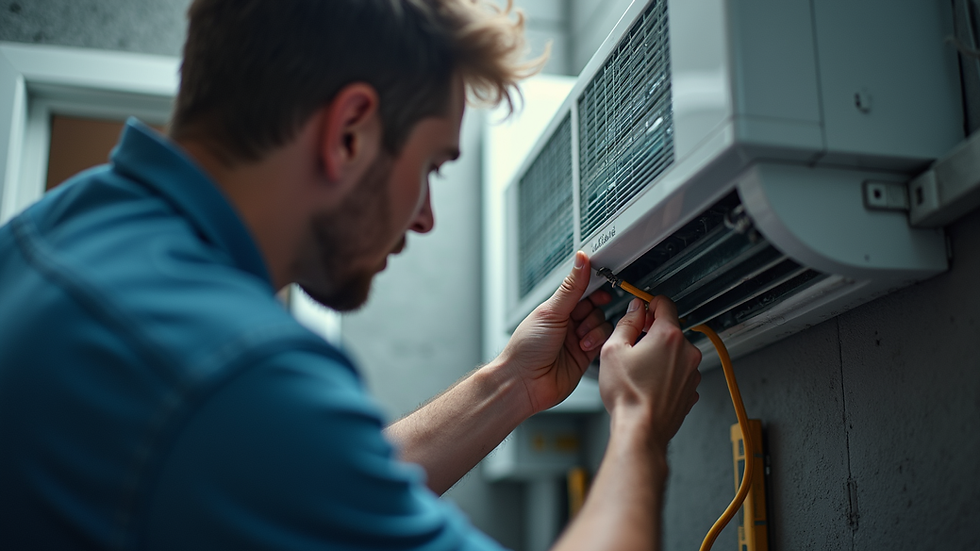
Preventing Your AC from Freezing Up
Prevention is always better than repair. Here are some tips to keep your AC running smoothly and avoid freezing:
Regular Maintenance: Schedule professional tune-ups at least once a year.
Change Filters Regularly: Replace air filters every 1-3 months.
Keep Vents Clear: Avoid blocking vents with furniture or curtains.
Monitor Thermostat Settings: Avoid setting the temperature too low.
Check for Leaks: Have a technician inspect refrigerant levels annually.
Use AC Appropriately: Avoid running the AC when outdoor temperatures are too low.
By following these steps, you can extend the life of your air conditioner and keep your home comfortable.
What to Expect from a Professional HVAC Service
When you book us for a frozen AC, we will:
Inspect the entire system for airflow issues.
Check refrigerant levels and look for leaks.
If a leak is identified, we will promptly fix it without trying to sell you a full system replacement.
Test the blower fan and electrical components.
Clean or replace dirty parts.
Provide advice on proper use and maintenance.
Taking care of your AC with professional help and regular maintenance is the best way to avoid freezing problems and enjoy reliable cooling all year round.


Comments